BIBA 7th Third Grade Cyclical Newsletter

  • How to understand context clues to bring a better understanding
  • How to understand figurative language.
  • How to revise the ending to a story
  • How to write from a memory
  • Paragraphing
  • How to check our work with a checklist.
  • How to use Present tense verbs
  • How to use Past tense verbs
  • How to use temporal relationships in writing
  • Review
  • Key words check-up
  • Review Break

We have not started our Social Studies Unit yet.

  • How to talk back to the Text.
  • How to raise awareness, and understanding of texts.
  • Drafting
  • Publishing
  • End of Unit Celebration!
  • How to properly use the verb “to be”
  • Start of a new Unit
  • Explore Time using stopwatches
  • Skip counting on clocks.
  • Adding and subtracting time by using a number line.
  • Begin our Earth Science Unit
  • Pollination
  • Why do plants give fruits

We have not started our Social Studies Unit yet.

Upcoming: Writing Celebrations for Unit 1!

Check with your Homeroom Teacher for Dates and Locations.

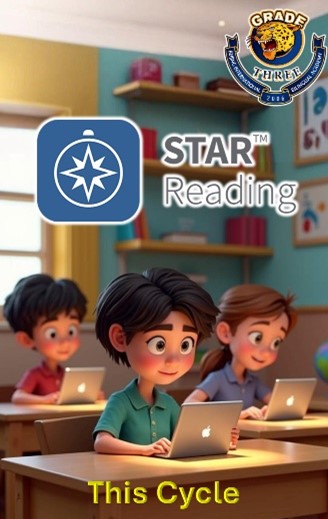
STAR Reading Tests are coming up this Cycle

This cycle we will continue with the Code of Conduct section of the Parent and Student Handbook and look at the Rs in turn. We will look at Relationships this cycle.

CODE OF CONDUCT

All members of the BIBA community are to conduct themselves with regard to four overarching attributes and skills of Respect, Responsibility, Rigor, and Relationships.

BIBA STUDENT
PROFILE
ATTRIBUTES
海嘉学生行为准则
PRINCIPLES
原则
RIGHTS
权利
RESPONSIBILITIES
责任/义务
RELATIONSHIPSI care for others, my community and myself, and work together with others to create a safe and supportive environment.I have the right to be treated with compassion and respect and to learn in a safe and positive environment.I have a responsibility to ensure my actions and attitudes are safe and to try to make a positive difference to the lives of others and the environment.
友情我关爱他人,我的社区和我自己。和大家一起努力建造一个安全互助的环境。我有权利被尊重,且在一个安全和积极的环境里学习。我有责任保证我的言行举止态度端正,并尝试给周围的环境和他人带来积极影响。

Encourage positive actions that will build relationships. Discuss Empathy, and how to understand others. Model these items so your child can see a positive role model in friendship and multi-generational relationships.

BIBA 6th Third Grade Cyclical Newsletter

  • How to lift the level of our reading.
  • How to handle and learn from complex texts
  • How to handle and learn from hard and new words
  • How to use timelines to plan a story
  • How to write a draft
  • How to expand the heart of a story to make the story clearer.
  • Recognizing Action Verbs.
  • Plurals
  • Revision
  • Test
  • Finishing our Final Project

We have not started our Social Studies Unit yet.

  • How to understand context clues to bring a better understanding
  • How to understand figurative language.
  • How to revise the ending to a story
  • How to write from a memory
  • Paragraphing
  • How to check our work with a checklist.
  • How to use Present tense verbs
  • How to use Past tense verbs
  • How to use temporal relationships in writing
  • Review
  • Key words check-up
  • Begin our Earth Science Unit
  • Pollination
  • Why do plants give fruits

We have not started our Social Studies Unit yet.

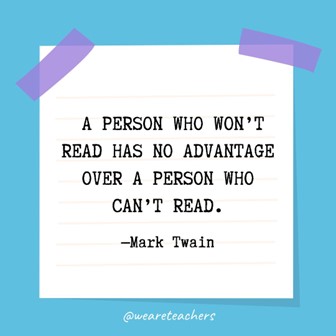
A genius is a talented person who does his homework.

~Thomas A. Edison

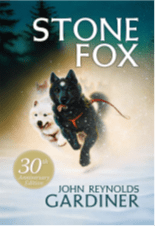
In class we are learning from “Stone Fox.” If your child does not have access to this book please prepare one, or contact your Homeroom teacher.

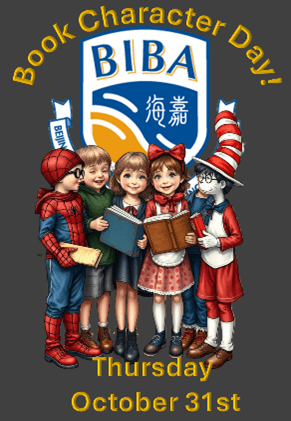
October 31st is Book Character day Dress up as your favorite Book character, Bonus points for bringing the book!

Upcoming: Writing Celebrations for Unit 1!

This cycle we will continue with the Code of Conduct section of the Parent and Student Handbook and look at the Rs in turn. We will look at Rigor this cycle.

CODE OF CONDUCT

All members of the BIBA community are to conduct themselves with regard to four overarching attributes and skills of Respect, Responsibility, Rigor, and Relationships.

BIBA STUDENT
PROFILE
ATTRIBUTES
海嘉学生行为准则
PRINCIPLES
原则
RIGHTS
权利
RESPONSIBILITIES
责任/义务
RIGORI am responsible for solving problems and making reasoned, ethical decisions within my class and community.I have the right to solve problems and make reasonable and ethical decisions in my class and community.I have the responsibility to attempt to solve problems, make reasoned and ethical decisions, and to support others to do so in my class and community.
努力我负责解决问题,并在班级或社区活动中做出合理的决策。我有权利解决问题,并在班级或社区活动中做出合理的决策。我有责任尝试解决问题,并在班级或社区活动中做出合理的决策。

Have discussions with your children about Rigor. Encourage your children to keep going and persevere during tough times. Then help them understand the rewards from hard work.

BIBA 5th Third Grade Cyclical Newsletter

  • How to predict what will happen next in a story
  • How to retell the stories we have read.
  • How to break down story ideas into smaller parts to make writing easier.
  • Choosing a Seed idea for their final project
  • Using Quotation Marks and commas
  • Singular & Plural Nouns
  • Common & proper nouns
  • Practice using the Distributive Property.
  • Finding the key words to help solve 2 step word problems.
  • Designing solutions to problems by using available information
  • Living in Space
  • Starting our Final Project.

We have not started our Social Studies Unit yet.

  • How to lift the level of our reading.
  • How to handle and learn from complex texts
  • How to handle and learn from hard and new words
  • How to use timelines to plan a story
  • How to write a draft
  • How to expand the heart of a story to make the story clearer.
  • Recognizing Action Verbs.
  • Plurals
  • Revision
  • Test
  • Finishing our Final Project

We have not started our Social Studies Unit yet.

A genius is a talented person who does his homework.

~Thomas A. Edison

In class we are learning from “Stone Fox.” If your child does not have access to this book please prepare one, or contact your Homeroom teacher.

We had a very successful Flea Market on BIBA Day. Grade 3 earned more than ¥8,000 in cash. With even more paid digitally. That’s a lot of books for rural schools! Good Work!

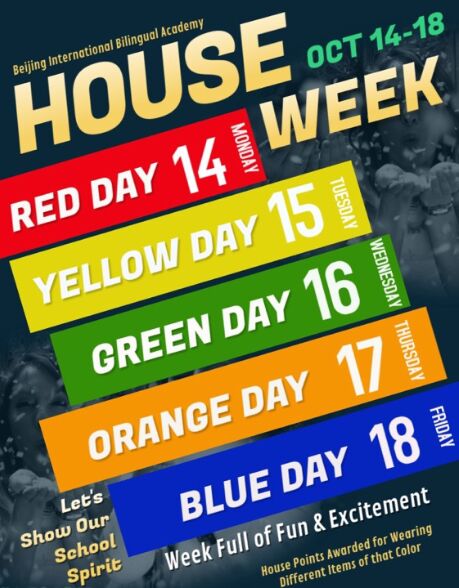
Upcoming Event: House Week!
Dress up in the different Colors to earn points for your House!

October 14~18

This cycle we will continue with the Code of Conduct section of the Parent and Student Handbook and look at the Rs in turn. We will look at Responsibility this cycle.

CODE OF CONDUCT

All members of the BIBA community are to conduct themselves with regard to four overarching attributes and skills of Respect, Responsibility, Rigor, and Relationships.

BIBA STUDENT
PROFILE
ATTRIBUTES
海嘉学生行为准则
PRINCIPLES
原则
RIGHTS
权利
RESPONSIBILITIES
责任/义务
RESPONSIBILITYI am responsible for my actions and the consequences that accompany them.I have the right to be treated with honesty, integrity and fairness, and expect that my property will be safe.I take responsibility for my actions and the consequences that accompany them. I take care of the School’s and other peoples’ property.
责任我为我的行为负责,并承担所有行为带来的后果。我有权利受到诚实、公平、公正的对待。并且我的私人财物的安全能够得到保障。我会对我的行为负责,并承担所有行为可能会带来的后果。我爱护学校公共设施以及他人的财物。

At Home

Have discussions with your children about Responsibility. Have the children help with chores at home such as cleaning the dishes, setting the table or other home tasks. Take pictures of this and share with your homeroom teachers.

BIBA 4th Third Grade Cyclical Newsletter

  • How to check for comprehension by using context clues and asking yourself (the reader) questions as you go.
  • How to use a Storyteller voice in your writing.
  • How to write clear details and specific details to clarify the story for the readers.
  • How to take stock of your own progress as a writer
  • Simple Past Tense, regular verbs
  • How to write a paragraph
  • Interpreting the quotient of division questions
  • Skip counting to find answers in multiplication questions.
  • Using the Distributive Property to find related facts
  • Model the relationship between multiplication
  • How fast a dinosaur was, and compare that to ourselves
  • How animals inherit traits from their parents.
  • What future animals may look like.

We have not started our Social Studies Unit yet.

  • How to predict what will happen next in a story
  • How to retell the stories we have read.
  • How to break down story ideas into smaller parts to make writing easier.
  • Choosing a Seed idea for their final project
  • Using Quotation Marks and commas
  • Singular & Plural Nouns
  • Common & proper nouns
  • Practice using the Distributive Property.
  • Finding the key words to help solve 2 step word problems.
  • Designing solutions to problems by using available information
  • Living in Space
  • Starting our Final Project.

We have not started our Social Studies Unit yet.

I have learned you are never too small to make a difference.

~Greta Thunberg

In class we are learning from “Stone Fox.” If your child does not have access to this book please prepare one, or contact your Homeroom teacher.

We had a very successful Flea Market on BIBA Day. Grade 3 earned more than ¥8,000 in cash. With even more paid digitally. That’s a lot of books for rural schools! Good Work!

Upcoming Event: House Week!
Dress up in the different Colors to earn points for your House!

October 14~18

This cycle we will continue with the Code of Conduct section of the Parent and Student Handbook and look at the Rs in turn. We will look at Responsibility this cycle.

CODE OF CONDUCT

All members of the BIBA community are to conduct themselves with regard to four overarching attributes and skills of Respect, Responsibility, Rigor, and Relationships.

BIBA STUDENT
PROFILE
ATTRIBUTES
海嘉学生行为准则
PRINCIPLES
原则
RIGHTS
权利
RESPONSIBILITIES
责任/义务
RESPONSIBILITYI am responsible for my actions and the consequences that accompany them.I have the right to be treated with honesty, integrity and fairness, and expect that my property will be safe.I take responsibility for my actions and the consequences that accompany them. I take care of the School’s and other peoples’ property.
责任我为我的行为负责,并承担所有行为带来的后果。我有权利受到诚实、公平、公正的对待。并且我的私人财物的安全能够得到保障。我会对我的行为负责,并承担所有行为可能会带来的后果。我爱护学校公共设施以及他人的财物。

At Home

Have discussions with your children about Responsibility. Have the children help with chores at home such as cleaning the dishes, setting the table or other home tasks. Take pictures of this and share with your homeroom teachers.