BIBA ES 3rd Cyclical Newsletter

  • How to find the best ways to share books
  • Find people to effectively share books with

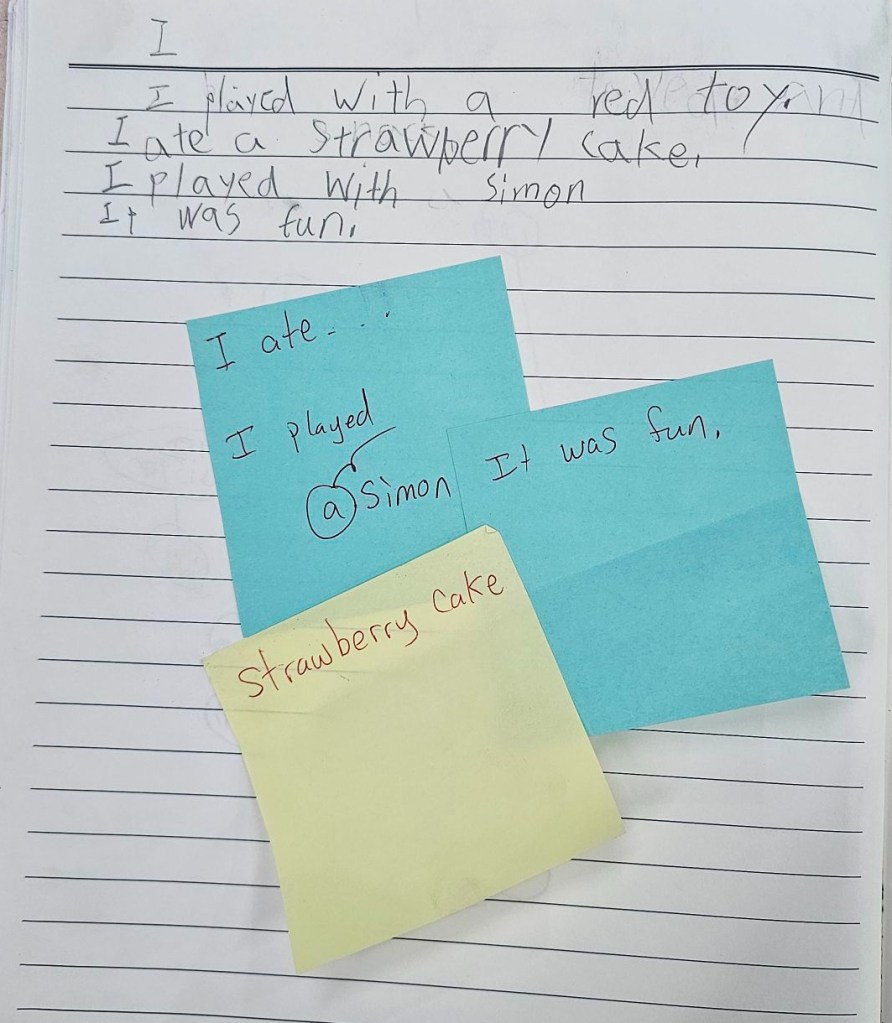
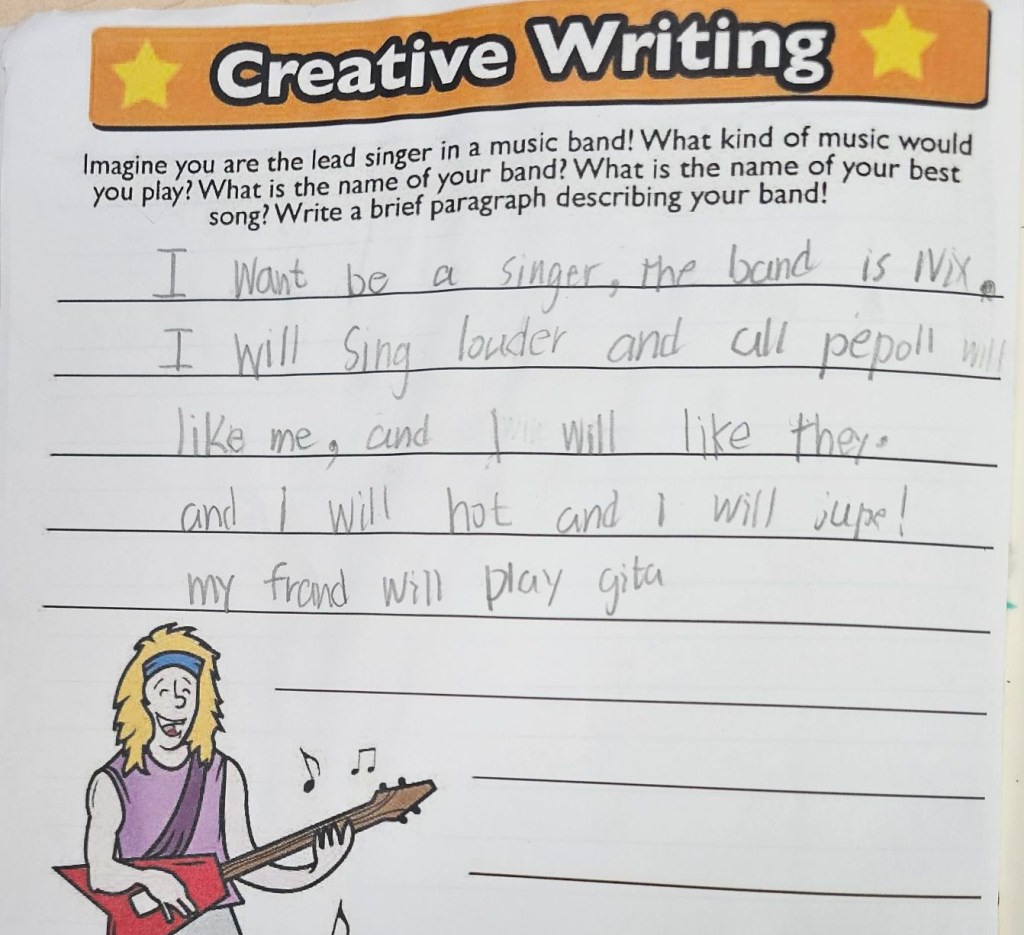
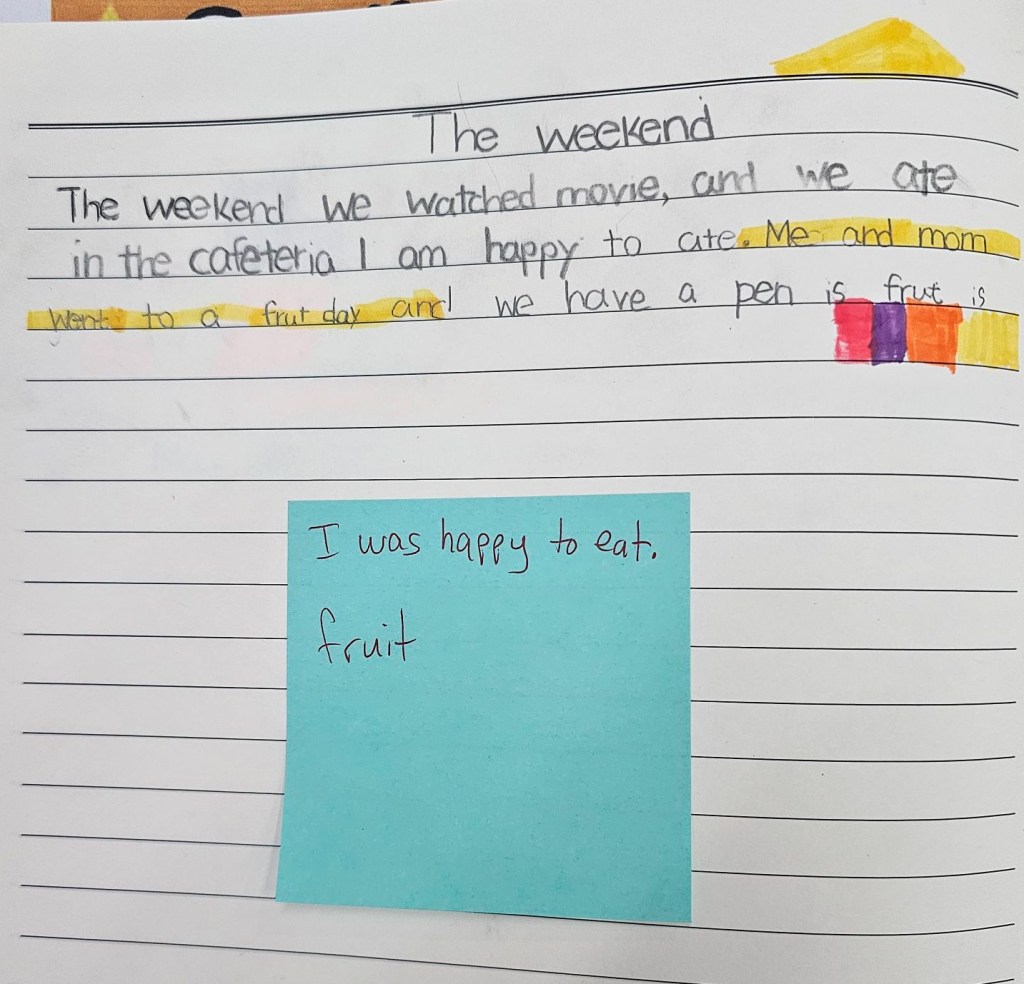
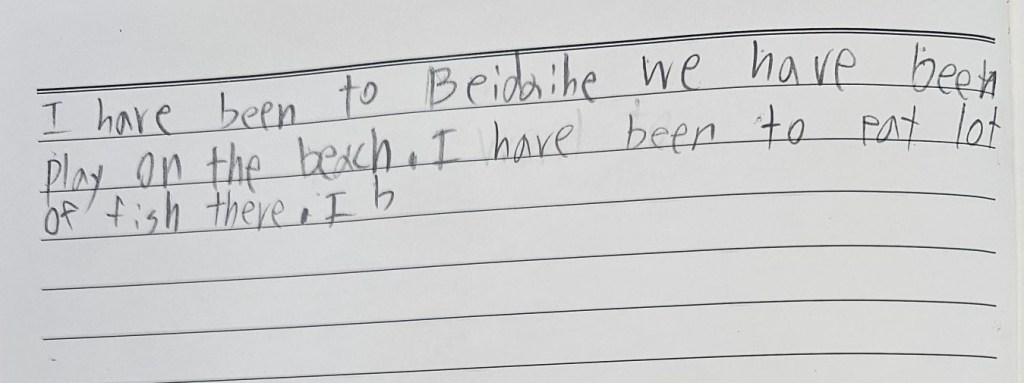
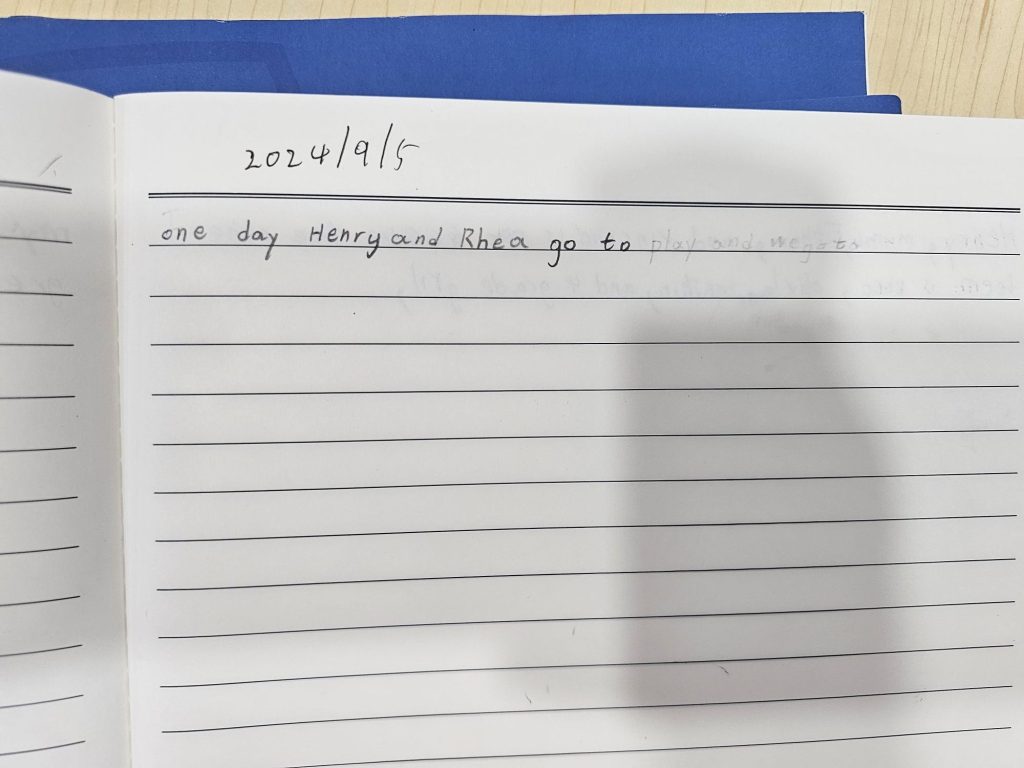
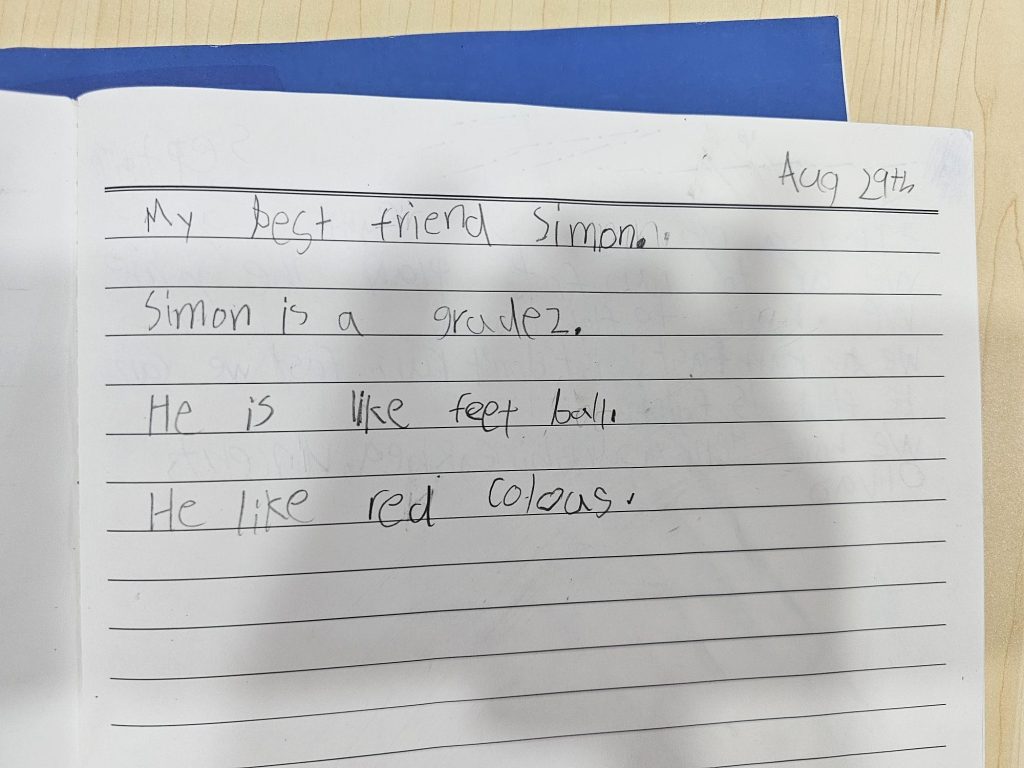
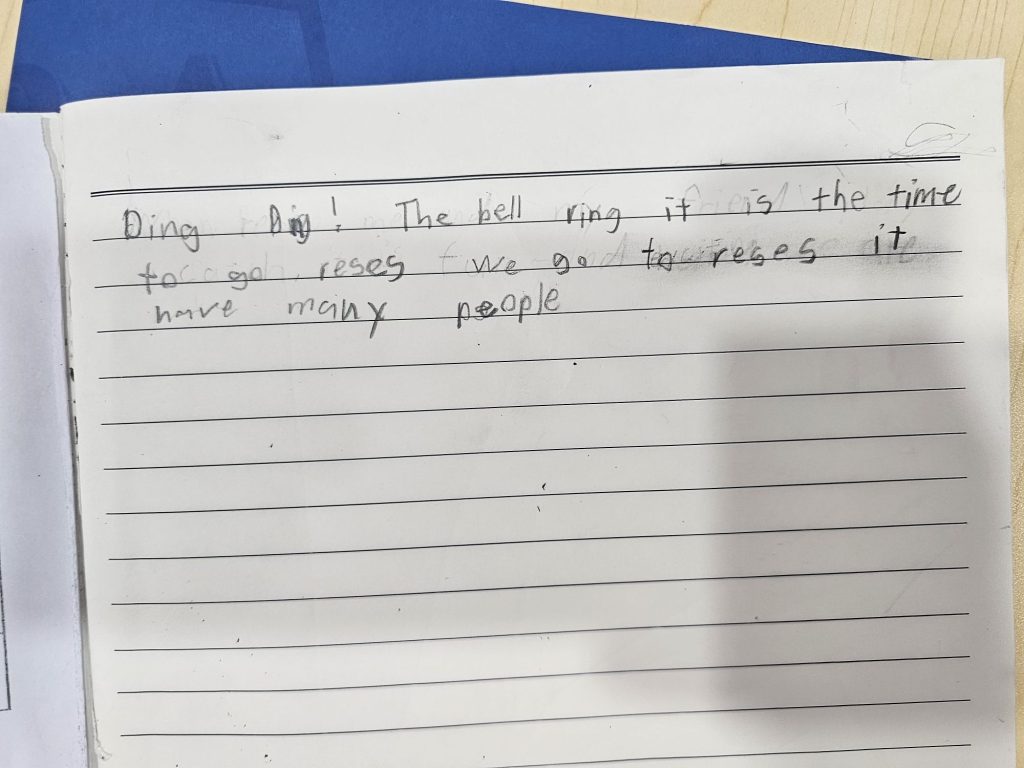
  • What a proper Writer’s Notebook entry looks like
  • How to effectively use a writing partner
  • How to generate ideas for a story.
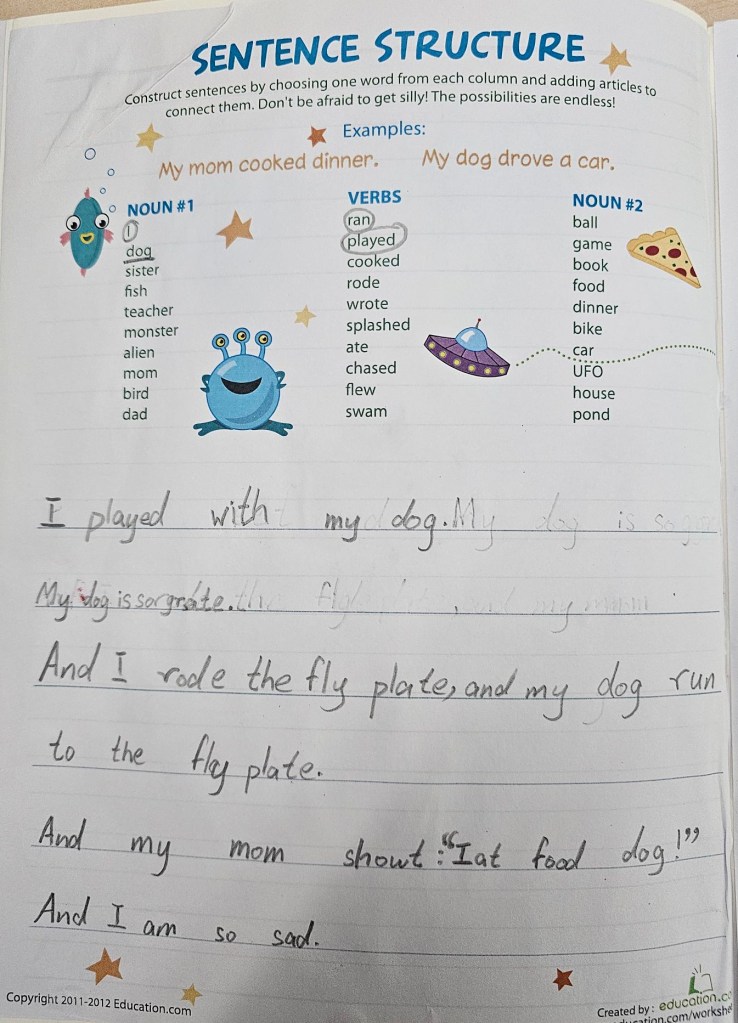
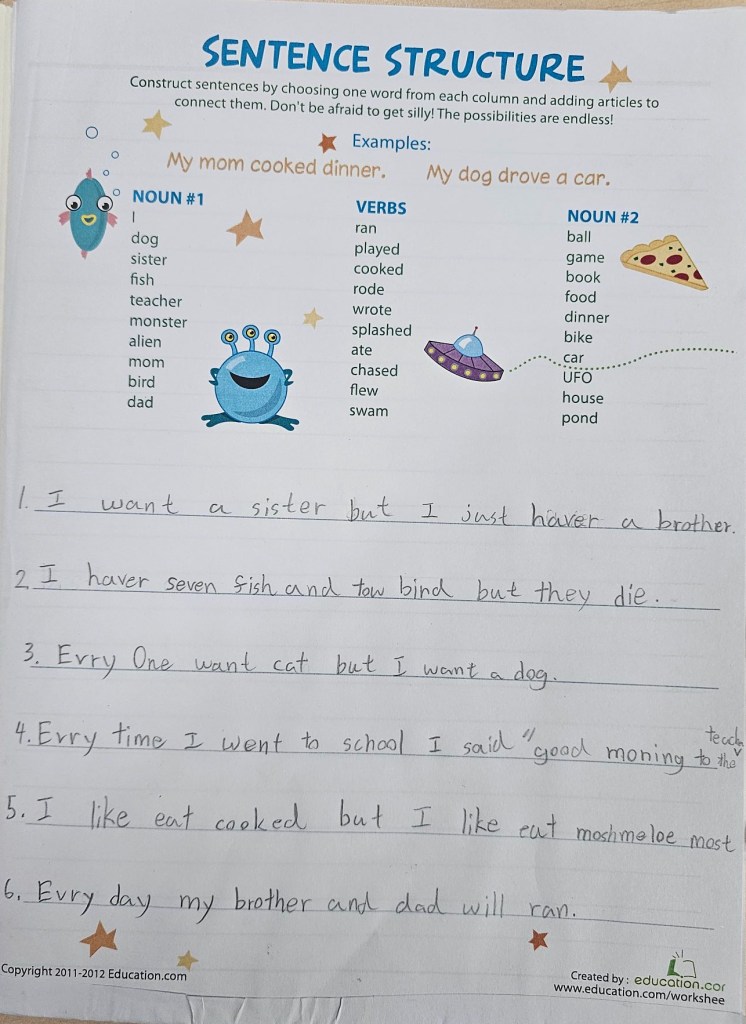
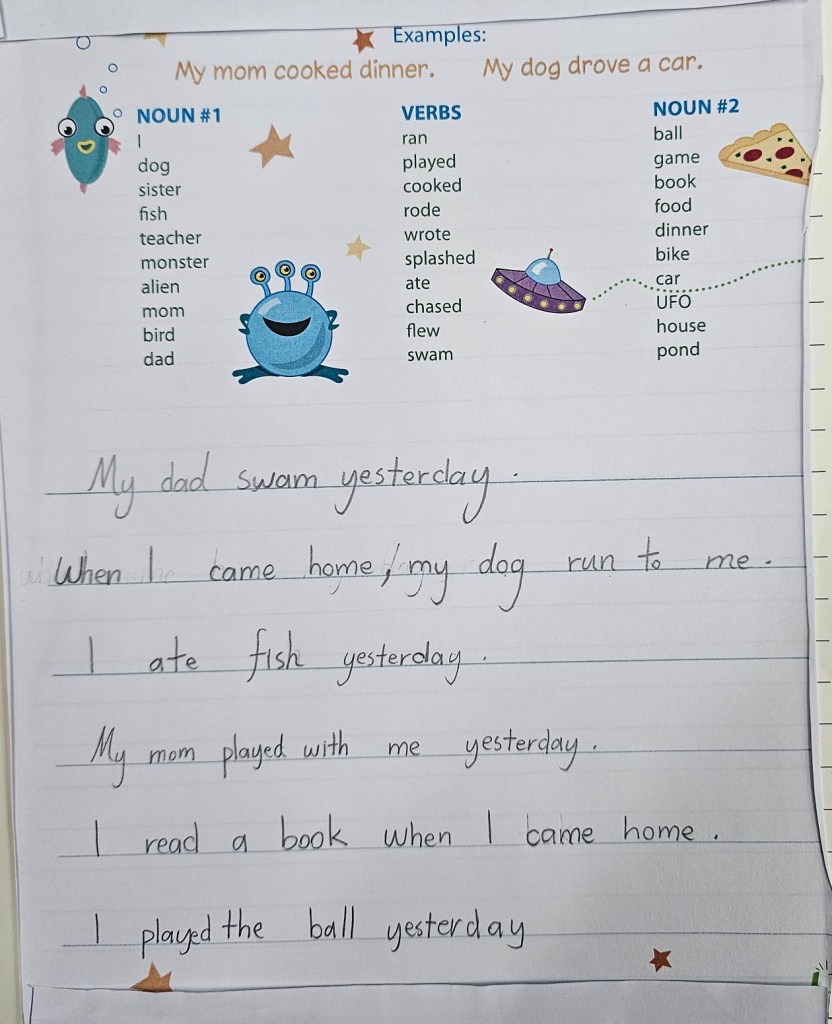
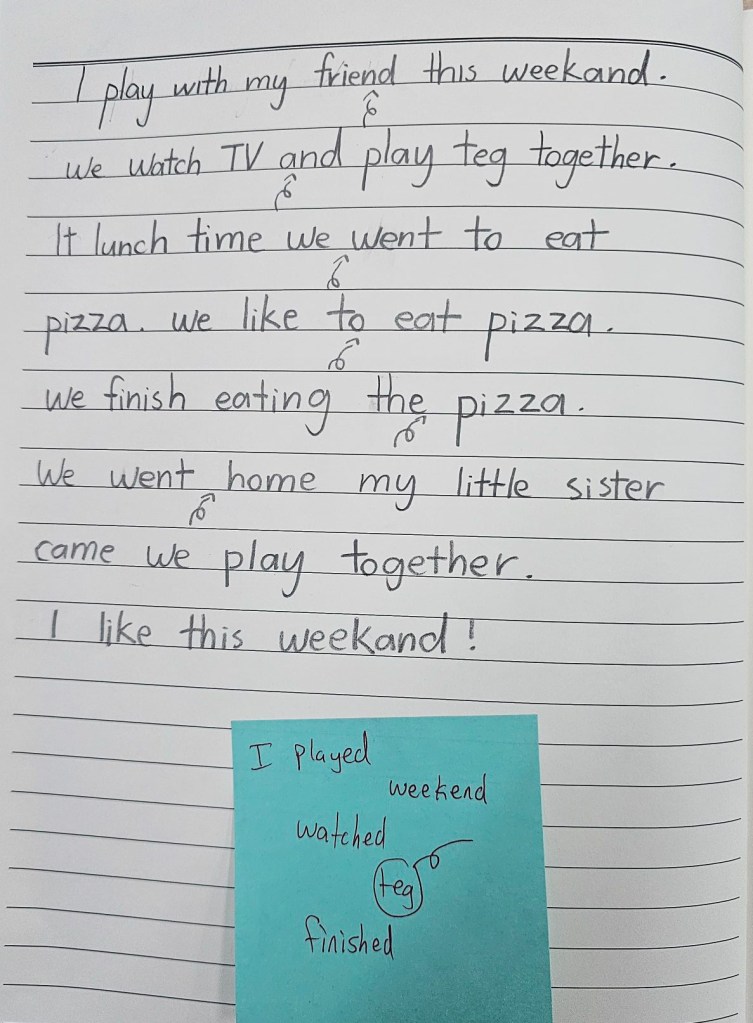
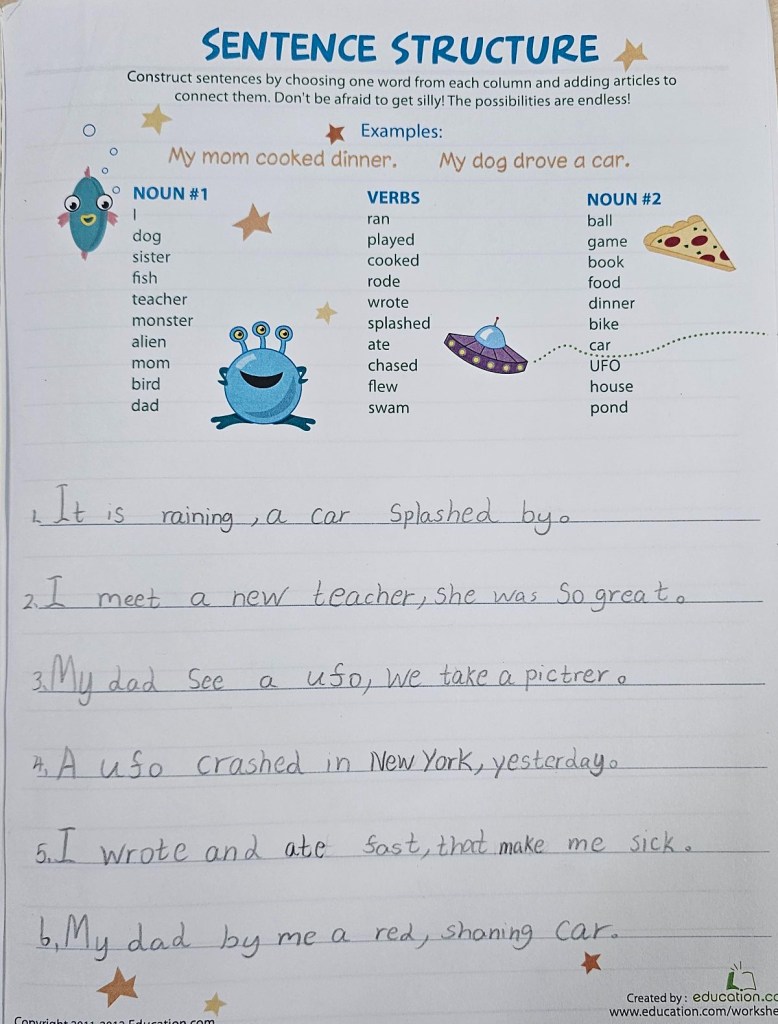
  • Simple Past Tense, regular verbs
  • The commutative property of factors in a multiplication sentence.
  • How to skip count using arrays.
  • How to find related multiplication facts
  • Modeling division questions in multiplication using unknown factors.

  • What fossils are
  • How to understand what dinosaurs looked like.

We have not started our Social Studies Unit yet.

  • How to check for comprehension by using context clues and asking yourself (the reader) questions as you go.
  • How to use a Storyteller voice in your writing.
  • How to write clear details and specific details to clarify the story for the readers.
  • How to take stock of your own progress as a writer
  • How to paraphrase.
  • Interpreting the quotient of division questions
  • Skip counting to find answers in multiplication questions.
  • Using the Distributive Property to find related facts
  • Model the relationship between multiplication
  • How fast a dinosaur was, and compare that to ourselves
  • How animals inherit traits from their parents.
  • What future animals may look like.

We have not started our Social Studies Unit yet.

Learning is not about perfection but about progress. Each step forward opens the door to endless possibilities.

~ Grade 3 Team

In class we are learning from “Stone Fox.” If your child does not have access to this book please prepare one, or contact your Homeroom teacher.

This cycle we will go back to the Code of Conduct section of the Parent and Student Handbook and look at the Rs in turn. We will begin with the first of BIBA’s Rs, Respect.

CODE OF CONDUCT

All members of the BIBA community are to conduct themselves with regard to four overarching attributes and skills of Respect, Responsibility, Rigor, and Relationships.

BIBA STUDENT
PROFILE
ATTRIBUTES
海嘉学生行为准则
PRINCIPLES
原则
RIGHTS
权利
RESPONSIBILITIES
责任/义务
RESPECTI have self-respect and respect the culture, values and traditions of the school and of others in the school community.I have the right to have my culture, values, and traditions treated with respect.I have a responsibility to respect myself and my culture, values and traditions, as well as those of the school and of others in my school community.
尊重我尊重自己以及学校社区内其他成员的文化、传统和价值观。我有权利秉承自己的文化、传统和价值观并受到尊重。我有责任尊重我自己以及社区内他人的文化、价值观和传统。

At Home

Have discussions with your children about Respect. Discuss with them ways we show respect at home and at school or work. What respect we give to others, what respect we give to ourselves, and What respect we hope others will give to us.

BIBA ES 2nd Cyclical Newsletter

  • How to treat books with care
  • How to find books that are the right level for us to read.
  • How to set goals for our reading year.
  • What Writers do, and how they work effectively
  • How to use our Writer’s notebooks effectively.
  • The type of Writer I am right now, and what type of writer I want to be by the end of the year.
  • Simple Past Tense, regular verbs
  • That equal groups are used in multiplication
  • To relate the picture model to multiplication questions
  • To relate the array model to multiplication questions
  • How to interpret factors in a multiplication question.
  • How to understand the concept of the unknown in division questions.
  • How to understand the unknown in an array model.
  • What fossils are
  • How to understand what dinosaurs looked like.
  • How fast a dinosaur was, and compare that to ourselves
  • How animals inherit traits from their parents.
  • What future animals may look like.

We have not started our Social Studies Unit yet.

  • How to find the best ways to share books
  • Find people to effectively share books with
  • What a proper Writer’s Notebook entry looks like
  • How to effectively use a writing partner
  • How to generate ideas for a story.
  • Simple Past Tense, irregular verbs
  • The commutative property of factors in a multiplication sentence.
  • How to skip count using arrays.
  • How to find related multiplication facts
  • Modeling division questions in multiplication using unknown factors.
  • About natural and artificial selection of traits
  • About behavioral traits, and learned traits.

We have not started our Social Studies Unit yet.

Mr. Chad:  Love your classmates, you are stuck with them all year!

In class we are learning from “Stone Fox” If your child does not have access to this book please prepare one, or contact your Homeroom teacher.

Mobile Device Policy
Students are not allowed to use mobile phones, smartphones, smartwatches, MP3/4 players, portable CD players, radios, and other electronic devices on the BIBA campus unless permission is granted by the teacher for the use of such items for a specific purpose. Students in possession of these items during the school day, without permission, will have these items confiscated.

Confiscated items will be returned at the end of the school day. Parents may be requested to come to the school to collect confiscated items should the student commit repeated offenses and not respond to warnings by the school. Mobile phone and camera functions are not to be used, i.e. picture-taking, recording, etc. without the express permission of the classroom teacher or administration at any point on the school grounds.

Writing Celebration Update

On Friday we had an amazing event. I hope the parents had a great time. We had a scoring system that included everyone, because I knew that I would be distracted between hosting and keeping some of the children engaged.

The score sheet gave everyone present (Students, Parents, and myself) the chance to score everyone on 3 categories:

  • Was this a good topic for the child?
  • Did they present well (Can be heard, eye contact, didn’t read from their speech)
  • Did they convince the listener to agree with them.
  • Audience Skills (Only I did this one)

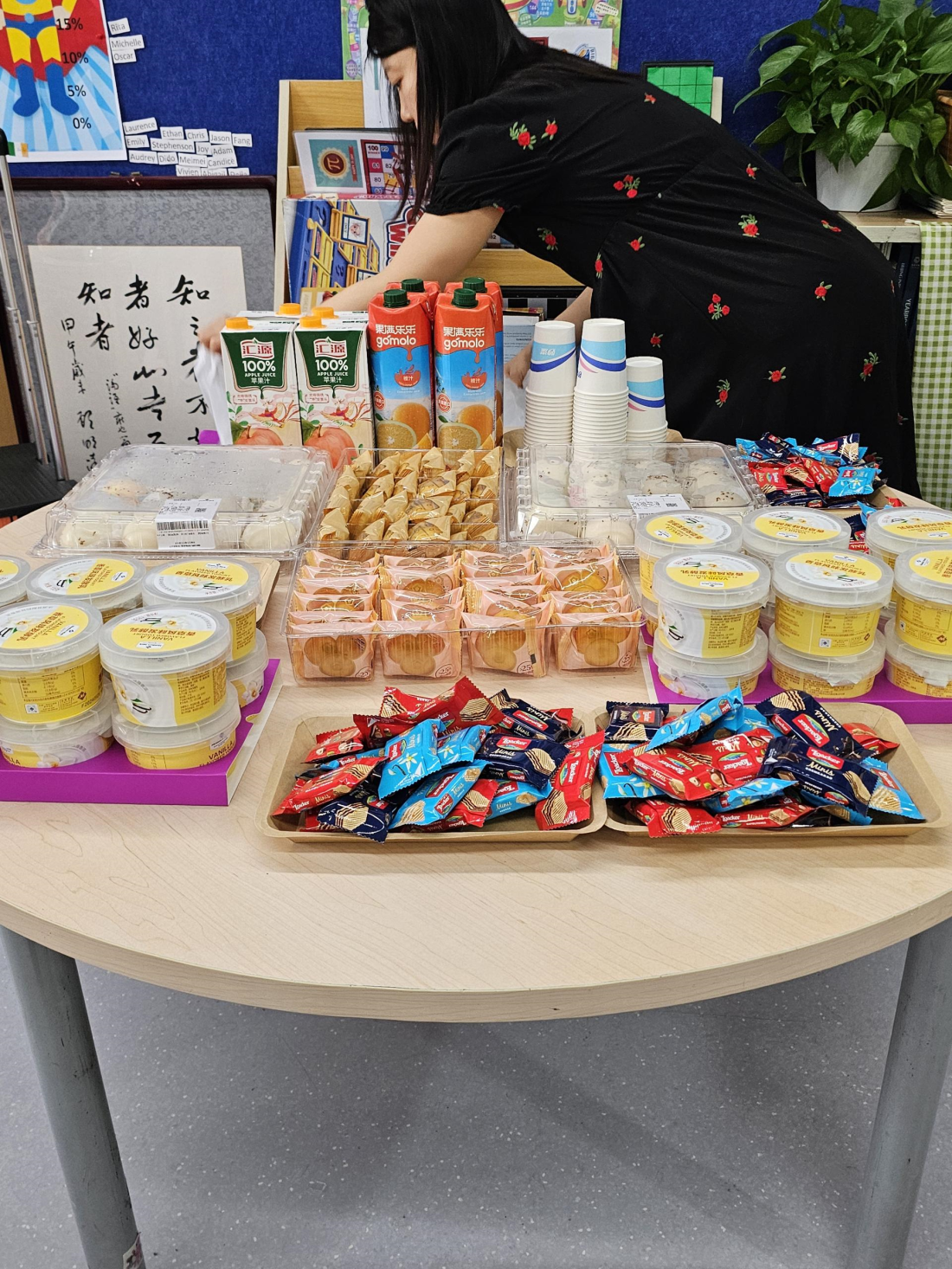
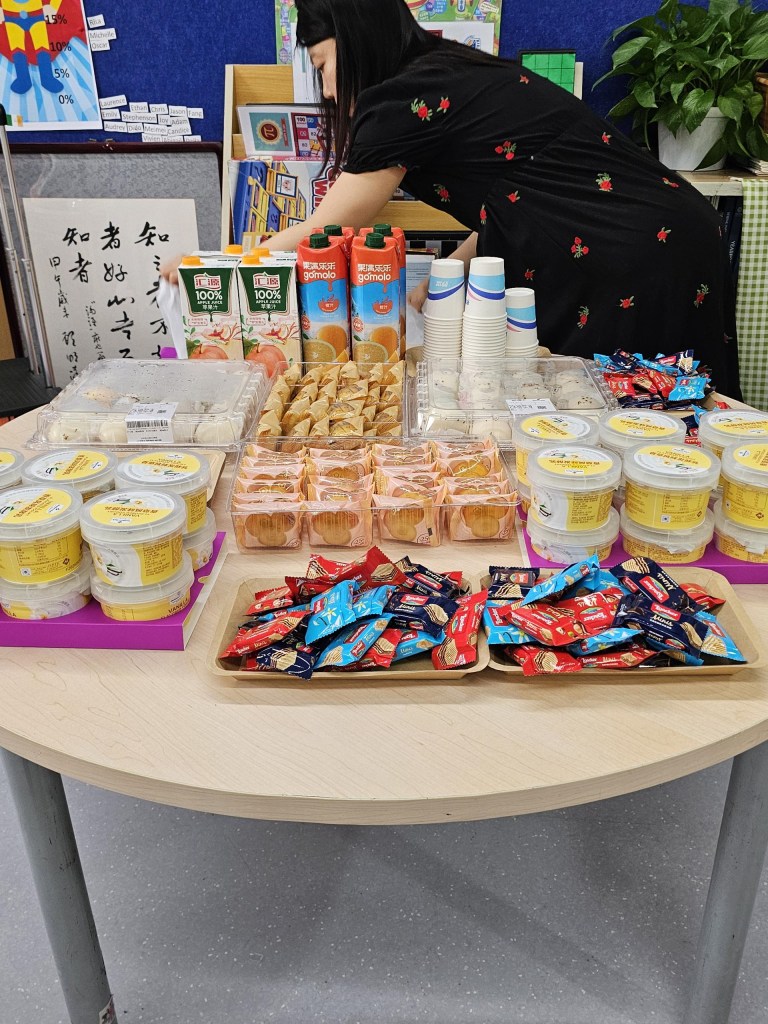
Our class parents brought a large amount of snacks for the children. The children would have a lot to eat while they listened.

We would have 5 presenters, then a snack break, and then repeat until we had gone through all of the speeches. This gave the children a brain break, and some time to see their parents between segments.

At the end of the day, I collected the score sheets and copied the scores into the computer. my vote only counted as 1 of the 47 votes. The scores below are a combine all the categories, and are presented by the speaking groups.

  • Emily Zou – 86%
  • Oscar Lv – 85%
  • Audrey Jiya – 86%
  • Joy Chen – 86%
  • Chris Wen 73%
  • Laurence You – 81%
  • Daniel Cui – Had Stage Fright.
  • Dido Wu – 74%
  • Lucas Wang – 79%
  • Ethan Wu – 62%
  • Meimei Li – 88%
  • Vivien Liao – 92%
  • Michelle Wang – 96%
  • Adam Wang – 84%
  • Stephenson Sun – 72%
  • Steve Zhang – 75%
  • Della Yang – 89%
  • Victor Xue – 92%
  • Rita Sun – 76%
  • Fang Zhang – 86%
  • Candice Zhang – 82%
  • Abigail Tang – 84%
  • Jason Wang – 76%

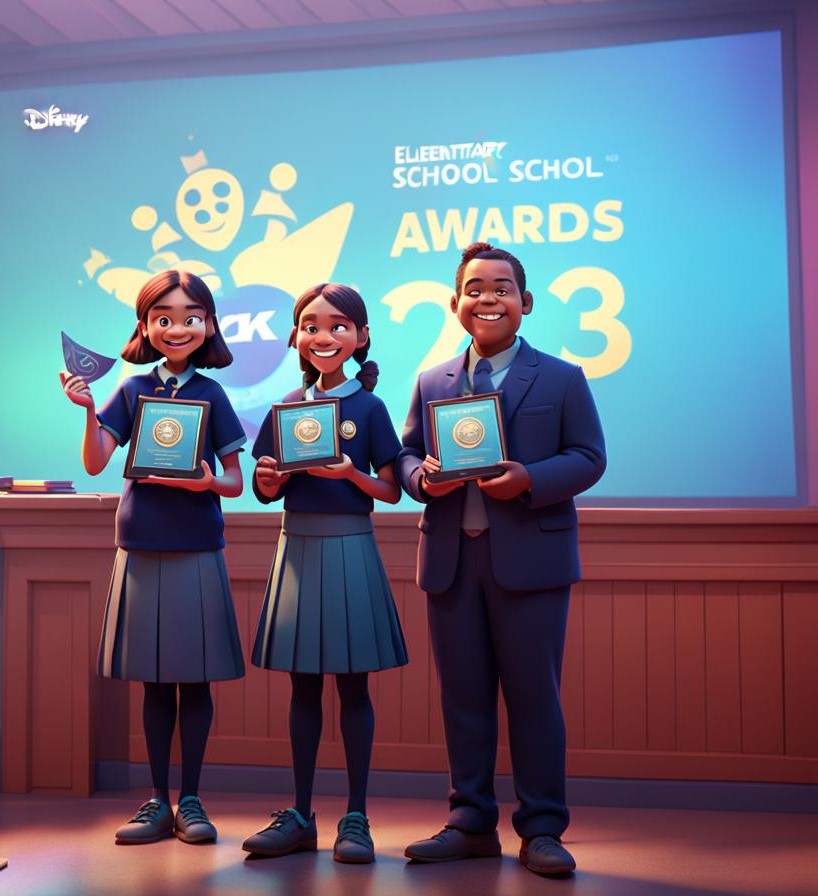
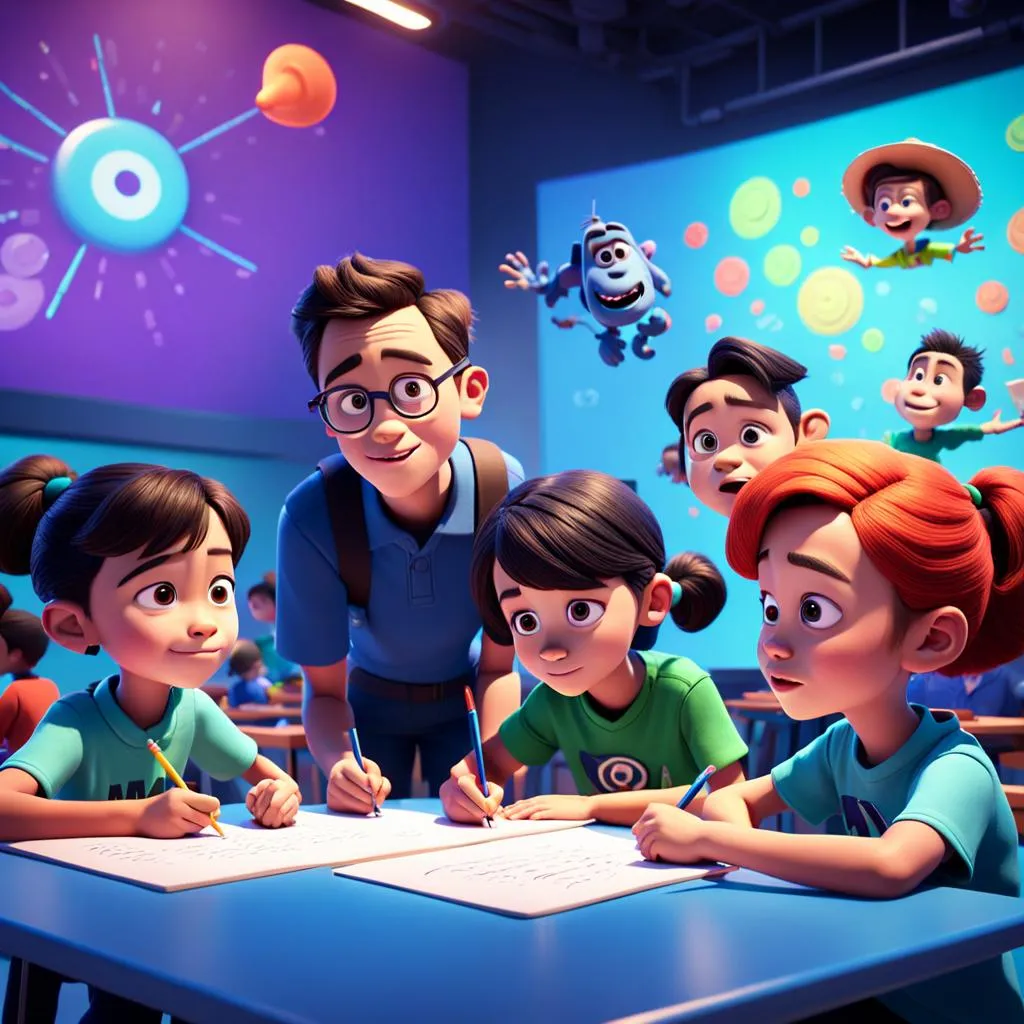
Now clearly, these are not the photos from the event. You can find those on our Class WeCom Social Group. I am still wary of posting photos of the children due to our school’s Social Media policy. Please understand.

Almost everyone did amazingly, and even those who did not meet the expectations made me proud. They had been working on these speeches for a couple of months, and some students where meticulous in their research and note taking, and others had more difficulty with their organization.

On Tuesday is a Competition pitting Our Michelle and Victor against the other Grade 3 Class winners, to earn the trophy!

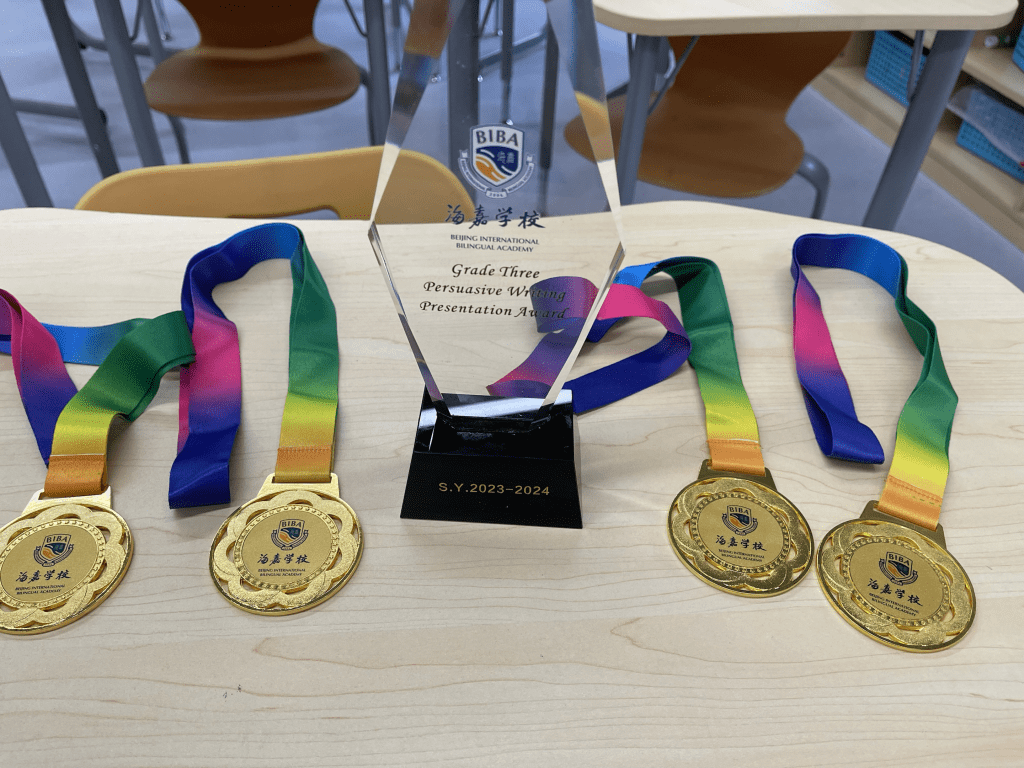
The top four students from our class will earn Medals even if they do not win the Grade level contest. On top of this, our “Most Improved” student will win a medal, but I would like to keep that student a surprise until Tuesday. They deserve it and have had a lot of personal struggles to overcome.

Writing Celebration

亲爱的家长们,

我们班诚邀您参加BIBA学校的特别活动,共同庆祝我们三年级3B班学生在说服类写作方面不可思议的旅程。

日期:2024-05-10
时间:8:20 – 10:00
地点:3B classroom (UES 304)

我们的三年级学生一直在努力提升他们的说负类写作技巧,将他们的创造力和想象力融入到自己的故事中。相信您会很期待见证并庆祝他们的成就。这个活动将为您提供一个机会,让您亲自体验孩子作为一名作家的成长和发展,以及认可他们对这一重要技能的奉献。

活动日程包括:

  1. 欢迎和介绍:我们将以简短的欢迎词和说服类写作单元的概述开始。
  2. 学生说服类写作总结:您的孩子将有机会向观众总结他们的说服类写作,并讨论他们在该单元中的优点和挑战。
  3. 分享阅读:学生可以在此时与朋友和其他家长分享并朗读他们的说服类文章。我们鼓励您认真聆听,并提供积极的反馈,以增强他们的信心。
  4. 茶点招待:我们班将提供轻松的茶点招待,让您与其他家长、老师和学生交流互动。

请带上任何想要分享这个特别庆典的家庭成员或朋友。

我们期待着与您一起庆祝我们年轻作家的成就,并希望在 日见到您。如果您有任何问题或需要额外的信息,请随时联系我。

感谢您继续支持我们的学生和他们的教育之旅。

我希望在那里见到大家
Mr. Chad Baldwin
Grade 3B Homeroom Teacher

Dear Parents,

Our class invites you to join us for a special event at BIBA as we celebrate our students’ incredible journey of persuasive writing in Class 3B

Date: May 10, 2024
Time: 8:20 – 10:00
Location.: Class 3B Classroom (UES 304)

Our third graders have been working diligently on their persuasive writing skills, pouring their passionate opinions into their speeches. We believe that it’s essential for you to witness and celebrate their accomplishments. The event will serve as an opportunity for you to experience the growth and development of your child as a writer and to recognize their dedication to this important skill.

The agenda for the event includes:

1. Welcome and Introduction: We will start with a brief welcome and an overview of the opinion writing unit.

2. Student Opinion Writing Summaries: Your child will have the chance to summarize their opinion to the audience and discuss their strengths and challenges throughout the unit.

3. Speech Presentations: Students will present their speech to the class and other parents during this time. We encourage you to listen attentively and provide positive feedback to help boost their confidence.

4. Refreshments: Light refreshments will be served, allowing you to mingle with other parents, teachers, and students.

Please bring any family members or friends who want to share in this special celebration.

We look forward to celebrating the achievements of our young writers with you and hope to see you on May 10. If you have any questions or require additional information, please don’t hesitate to contact me.

Thank you for your continued support of our students and their educational journey.

I look forward to seeing everyone there,
Mr. Chad Baldwin
Grade 3B Homeroom Teacher

AR

We have been working with AR for a few months now, and I have noticed some confusion still surrounds it. I will try to make things a bit clearer for everyone.

我们已经与AR合作了几个月,我注意到它仍然有一些困惑。我会尽量让每个人都把事情说得更清楚一些。

AR stands for Accelerated Reader, and it is a reading assessment system. It is a quick way to check the children’s reading comprehension, and fluency. The AR Program is used in conjunction with STAR and MyOn. But these are not the same things.

AR代表Accelerated Reader,它是一种阅读评估系统。这是检查孩子阅读理解和流利程度的快速方法。AR 程序与 STAR MyOn 结合使用。但这些不是一回事。

AR, as mentioned is a Reading comprehension system.
STAR is the online platform that can test the children using a computer instead of the pen and paper like AR used to be. Using STAR, children can read almost any book, then look it up on their website and do an AR Quiz on the computer or iPad.
MyOn is a digital library, like our Raz-Kids. Here the children can read books on their iPads or computers, and then immediately do an AR quiz from the website.

如前所述,AR是一个阅读理解系统。
STAR是一个在线平台,可以使用计算机而不是像AR那样使用笔和纸来测试孩子。使用 STAR,孩子们几乎可以阅读任何书籍,然后在他们的网站上查找并在计算机或 iPad 上进行 AR 测验。
MyOn是一个数字图书馆,就像我们的Raz-Kids一样。在这里,孩子们可以在iPad或电脑上阅读书籍,然后立即从网站上进行AR测验。

The Quizzes can only be completed during school hours, so normally we do these in class time. But on Holidays or other days, the children can still try them before 5:00.

测验只能在上课时间完成,所以通常我们会在课堂上进行。但在节假日或其他日子,孩子们仍然可以在 5:00 之前尝试。

What we are asking for at home, is that the children spend their time reading. Not doing the quizzes, but just reading. Making notes in their Reading Logs, is also beneficial, and can help the children remember books to be quizzed on in school.

我们在家里要求的是,孩子们把时间花在阅读上。不做测验,而只是阅读。在他们的阅读日志中做笔记也是有益的,可以帮助孩子们记住在学校要测验的书籍。

Statistics say that 25 minutes of reading is necessary for a good study habit. More if possible is always good, but less is detrimental to the child’s education.

统计数据表明,25分钟的阅读对于良好的学习习惯是必要的。如果可能的话,多一点总是好的,但少一点对孩子的教育是有害的。


Text Translated by Bing Translator

International Day

Friday March 29th 2024 was International Day at BIBA, and the school was dressed up for a great time. For this International Day the children of 3B were learning about Ireland.

Guests

Mr. Quinn Explaining Irish Facts to the children.

To prepare for this day the children and I did quite a few things; we learned about Irish culture through our Guest Speaker Mr. Patrick Quinn. Mr. Quinn, BIBA’s Early Years International Curriculum Coordinator, is from Ireland, and he delighted the children with information about the country, and introduced them to the story of the Giant’s Causeway.

Finn McCool Making the Giant’s Causeway.

Myths & History

The children read myths and fables about Ireland, learning about the Giant, Finn McCool, his wife Oonagh, Saint Patrick, leprechauns and other myths and monsters. The children discovered that Ireland is the origin of one of their favorite foreign celebrations, Halloween.

Multimedia & Interactivity

Irish Dancing through Ireland.

The students made a video where they explained some interesting things they learned. We had a class on Irish Dancing. Some volunteers: Joy, Emily, Audrey, Michelle, Vivien, helped me make a video of their dancing, which we put together into a class video.

Interviews with the beautiful scenery of Ireland.

The Student who volunteered to be interviewed: Emily, Chris, Oscar, Victor, Michelle and Steve, got to explain their favorite facts about Ireland. They were really excited about sharing, even though they were nervous to be on camera.

The Day Arrives

Trying to put Penguins on the melting ice… -_-!

On The Actual International Day, students and I dressed up in our best Leprechaun costumes, and walked about the school. Our first stop after the performances and parade in the morning, included Antarctica! (Really just the Science Lab) The children learned about what animals are living in Antarctica, and how global warming is causing their habitat to disappear. Some student, who answered questions fast enough earned prizes, and everyone walked out of Antarctica with Ice-cream, Yum!

A stuffed penguin, Excellent Prize!

Our Next Destination was the international Food booths. The children got to try food from all over the world arranged by our Parent Volunteers. We all really enjoyed this. Some of us, myself included, wanted to just skip the next activity and continue to eat. (he, he, he…)

Our next activity was a Tug of War Contest amongst the Grade 3 Nations. I am proud to say, Ireland (3B) came 2nd place in this contest, only losing out to the Netherlands (3F). Excellent work Everyone!

After this we enjoyed our Lunch, and then began our World Tour! We traveled to different countries in the world (Really just other classes), and did activities to learn about those countries. We visited India, Mexico, Papa New Guinea, South Africa, Argentina, and Norway.

At the end of the day we were all very tired, but happy.

Global Ambassadors in Action:

BIBA Grade 3’s Cultural Immersion at the Ethnic Park
Embracing Diversity: The BIBA Grade 3 Journey Through the Ethnic Park

By Mr. Frank Farooq

At Beijing International Bilingual Academy (BIBA), our mission extends beyond the classroom. We aim to cultivate informed and empathetic global citizens prepared to represent our values in every corner of the world. This mission was vividly realized during the Grade 3 field trip to the Ethnic Park. This venture expanded our students’ understanding of cultural diversity and reinforced their roles as ambassadors of BIBA’s ethos.

Destination: A Learning Oasis
Choosing the Ethnic Park was a deliberate decision, aligning with our goal to immerse our students in an environment that celebrates the cultural richness of various ethnic groups. This park, a microcosm of global diversity, provided the perfect backdrop for our students to explore, learn, and embody the BIBA spirit of inclusivity and respect for all cultures.

The Cultural Scavenger Hunt: A Pathway to Understanding
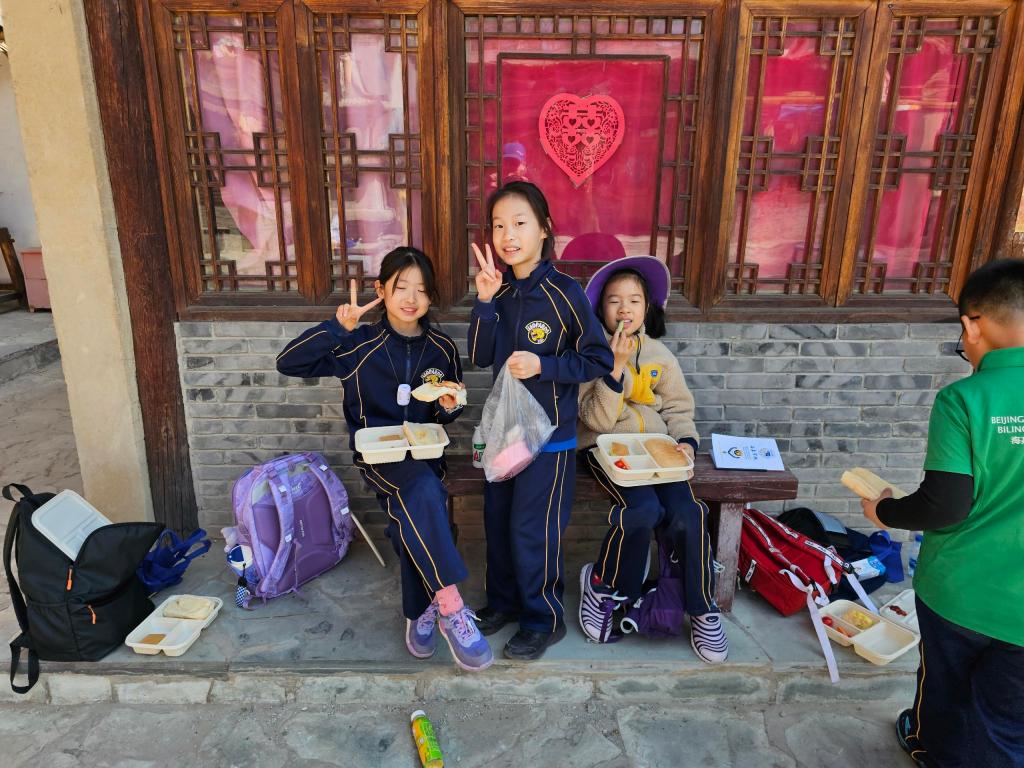
Central to this journey was a thoughtfully designed scavenger hunt, aligning with BIBA’s belief in active, immersive learning experiences. Students, accompanied by their teachers and parents, embarked on this quest as participants and explorers eager to uncover the stories and traditions of China’s 56 ethnic minorities. This activity was a dynamic illustration of learning through engagement, highlighting the diverse tapestry of cultures that shape our global community.

A United Effort: BIBA in Action
The entire Grade 3 cohort participated in this journey, including homeroom teachers, ELD teachers, specialists, Chinese teachers, and enthusiastic volunteer parents. Each participant
was pivotal in fostering a learning environment beyond traditional boundaries, emphasizing teamwork, community, and the shared goal of representing BIBA’s core values.

Activities: A Testament to BIBA’s Values
Throughout the trip, our students engaged in activities that enriched their cultural understanding and served the community. By cleaning up the park, they put into practice the lessons of respect, responsibility, and care for the environment, demonstrating to visitors the principles that guide us at BIBA. These actions represented BIBA in the broader community, earning admiration and setting a commendable example of proactive citizenship.

Acknowledgments: A Community of Support
Our heartfelt appreciation goes out to everyone who contributed to the success of this enriching experience, especially our principal, UES office staff, bus drivers, and the dedicated BIBA staff. Their unwavering support and commitment ensured a safe and productive outing, exemplifying the strong sense of community that BIBA prides itself on.
A Unified Voice: Our Song of Identity
A memorable highlight of the trip was the spontaneous chorus of our BIBA song, an anthem that binds us together and reminds us of our collective identity.

Everywhere we go,
People always ask us,
Who we are.
And where we come from.
So, we tell them,
We’re from BIBA,
Mighty, mighty BIBA,
Mighty, mighty BIBA.
And if they can’t hear us,
We shout a little louder.

This song, sung with pride and unity, underscored our presence as BIBA representatives, spreading a message of joy, inclusivity, and community spirit wherever we go.

Grade 3 Learning Outcomes from the Ethnic Park Field Trip:
Standard 4: Cultural and Intellectual Developments Among Societies
4.5.a. Students compared and contrasted the cultural characteristics of different regions and people, enriching their understanding of global diversity.
4.5.b. They explored how different cultures meet human needs and concerns, appreciating the variety of solutions societies develop.
Standard 5: Social Systems and Structures’ Influence on Individuals
5.5.c. The trip allowed students to compare how groups and cultures are similar and different in addressing the needs and concerns of their members, fostering a sense of empathy and global connection.
5.5.e. Students identified and described ways ethnicity and culture influence people’s daily lives, gaining insights into the impact of cultural heritage on everyday experiences.

Looking Ahead: The BIBA Journey Continues
The field trip to the Ethnic Park was a vivid illustration of how BIBA students carry the banner of our values into the world, embracing diversity and actively contributing to the communities they engage with. This experience has broadened our students’ horizons and reaffirmed their roles as ambassadors of the BIBA spirit, ready to make their mark as globally aware individuals who cherish diversity and strive for a positive impact in every endeavor.

Written by: Grade 3 Class C, Frank Farooq, Homeroom Teacher, M.Ed.

Special Thanks to Chad Baldwin for his invaluable contributions and support.